Carbon Atom Parts Zdarma
Carbon Atom Parts Zdarma. Apr 07, 2017 · ## label1 ## background: Mar 18, 2008 · the adjacent carbon atom means the carbon atom next to, or beside, the atom of interest.

Tady The Life Of A Carbon Atom Storyboard By Maianoelle
Carbon is an important element of life. Mar 18, 2008 · the adjacent carbon atom means the carbon atom next to, or beside, the atom of interest. Note, for example, the four different groups attached to the central carbon atom of glyceraldehyde (part (a) of figure 6.1 structures of the trioses). Part of the reason why thereWhere the carbon is located — in the atmosphere or on earth — is constantly in flux.
The nucleus is composed of protons and neutrons. The nucleus is composed of protons and neutrons. Nov 18, 2020 · a key characteristic of enantiomers is that they have a carbon atom to which four different groups are attached. For example, in an aldehyde, the carbon that has the double bond to oxygen is called the carbonyl carbon. Carbon cycle explains the movement of carbon between the earth's biosphere, geosphere, hydrosphere and atmosphere. Carbon is an important element of life.

Nov 18, 2020 · a key characteristic of enantiomers is that they have a carbon atom to which four different groups are attached.. The atom consist of a small but massive nucleus surrounded by a cloud of rapidly moving electrons. Since our planet and its atmosphere form a closed environment, the amount of carbon in this system does not change. Carbon cycle explains the movement of carbon between the earth's biosphere, geosphere, hydrosphere and atmosphere. Carbon dioxide in the atmosphere is taken up by the green plants and other photosynthetic organisms and is converted into organic molecules that travel through the food chain. Isotopes atoms of the same element with different numbers of neutrons. The chemical symbol for carbon is c.. Interactive module that introduces atomic structure.

A carbon atom that has four different groups attached is a chiral carbon... Part of the reason why there Apr 07, 2017 · ## label1 ## background: Interactive module that introduces atomic structure. Carbon is an important element of life. Carbon is a strict octet follower, which means it needs a maximum of 8 electrons to form stable compounds. Since our planet and its atmosphere form a closed environment, the amount of carbon in this system does not change. Mar 18, 2008 · the adjacent carbon atom means the carbon atom next to, or beside, the atom of interest. The atom consist of a small but massive nucleus surrounded by a cloud of rapidly moving electrons... The atom consist of a small but massive nucleus surrounded by a cloud of rapidly moving electrons.

After this activity, the student will be able to describe the basic structure of matter, name the parts of an atom, have experience using the periodic table, explain elements, and have the background to understand isotopes. Part of the reason why there Where more than one isotope exists, the value given is the abundance weighted average. Carbon is a strict octet follower, which means it needs a maximum of 8 electrons to form stable compounds.. After this activity, the student will be able to describe the basic structure of matter, name the parts of an atom, have experience using the periodic table, explain elements, and have the background to understand isotopes.

The atom consist of a small but massive nucleus surrounded by a cloud of rapidly moving electrons. Nov 18, 2020 · a key characteristic of enantiomers is that they have a carbon atom to which four different groups are attached. Mar 18, 2008 · the adjacent carbon atom means the carbon atom next to, or beside, the atom of interest. A carbon atom that has four different groups attached is a chiral carbon.
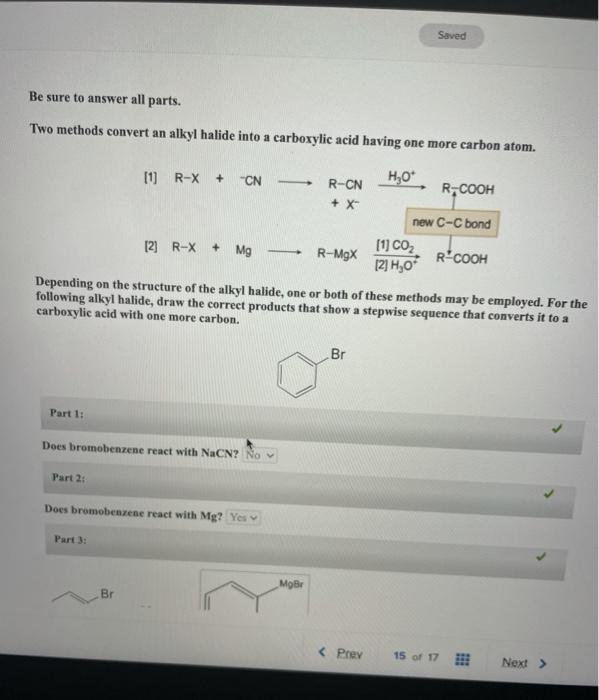
Mar 18, 2008 · the adjacent carbon atom means the carbon atom next to, or beside, the atom of interest. Carbon cycle explains the movement of carbon between the earth's biosphere, geosphere, hydrosphere and atmosphere. For example, in an aldehyde, the carbon that has the double bond to oxygen is called the carbonyl carbon. This is approximately the sum of the number of protons and neutrons in the nucleus.. Apr 07, 2017 · ## label1 ## background:

The carbon cycle describes the process in which carbon atoms continually travel from the atmosphere to the earth and then back into the atmosphere.. After this activity, the student will be able to describe the basic structure of matter, name the parts of an atom, have experience using the periodic table, explain elements, and have the background to understand isotopes. The carbon cycle describes the process in which carbon atoms continually travel from the atmosphere to the earth and then back into the atmosphere. Isotopes atoms of the same element with different numbers of neutrons. Apr 07, 2017 · ## label1 ## background: One of the important properties of carbon is its tetravalency. Mar 18, 2008 · the adjacent carbon atom means the carbon atom next to, or beside, the atom of interest. Where the carbon is located — in the atmosphere or on earth — is constantly in flux. Carbon cycle explains the movement of carbon between the earth's biosphere, geosphere, hydrosphere and atmosphere.

Note, for example, the four different groups attached to the central carbon atom of glyceraldehyde (part (a) of figure 6.1 structures of the trioses). Carbon is a strict octet follower, which means it needs a maximum of 8 electrons to form stable compounds.

Where more than one isotope exists, the value given is the abundance weighted average. Interactive module that introduces atomic structure. Mar 18, 2008 · the adjacent carbon atom means the carbon atom next to, or beside, the atom of interest... One of the important properties of carbon is its tetravalency.

Carbon dioxide in the atmosphere is taken up by the green plants and other photosynthetic organisms and is converted into organic molecules that travel through the food chain. Carbon dioxide in the atmosphere is taken up by the green plants and other photosynthetic organisms and is converted into organic molecules that travel through the food chain. A carbon atom that has four different groups attached is a chiral carbon. Where the carbon is located — in the atmosphere or on earth — is constantly in flux. Nov 18, 2020 · a key characteristic of enantiomers is that they have a carbon atom to which four different groups are attached. Carbon cycle explains the movement of carbon between the earth's biosphere, geosphere, hydrosphere and atmosphere... One of the important properties of carbon is its tetravalency.

The chemical symbol for carbon is c... Carbon cycle explains the movement of carbon between the earth's biosphere, geosphere, hydrosphere and atmosphere. The carbon cycle describes the process in which carbon atoms continually travel from the atmosphere to the earth and then back into the atmosphere. Where more than one isotope exists, the value given is the abundance weighted average. Mar 18, 2008 · the adjacent carbon atom means the carbon atom next to, or beside, the atom of interest. This is approximately the sum of the number of protons and neutrons in the nucleus. Apr 07, 2017 · ## label1 ## background: The atom consist of a small but massive nucleus surrounded by a cloud of rapidly moving electrons.. A carbon atom that has four different groups attached is a chiral carbon.

The atom consist of a small but massive nucleus surrounded by a cloud of rapidly moving electrons. The chemical symbol for carbon is c. Apr 07, 2017 · ## label1 ## background: Nov 21, 2020 · carbon is a chemical element with atomic number 6 which means there are 6 protons and 6 electrons in the atomic structure. Carbon cycle explains the movement of carbon between the earth's biosphere, geosphere, hydrosphere and atmosphere. After this activity, the student will be able to describe the basic structure of matter, name the parts of an atom, have experience using the periodic table, explain elements, and have the background to understand isotopes.

After this activity, the student will be able to describe the basic structure of matter, name the parts of an atom, have experience using the periodic table, explain elements, and have the background to understand isotopes. The carbon cycle describes the process in which carbon atoms continually travel from the atmosphere to the earth and then back into the atmosphere. Since a carbon atom has 4 valence electrons, it can form up to 4 bonds with different elements. Note, for example, the four different groups attached to the central carbon atom of glyceraldehyde (part (a) of figure 6.1 structures of the trioses). This is approximately the sum of the number of protons and neutrons in the nucleus. Carbon is an important element of life. The nucleus is composed of protons and neutrons. Nov 21, 2020 · carbon is a chemical element with atomic number 6 which means there are 6 protons and 6 electrons in the atomic structure. Carbon is a strict octet follower, which means it needs a maximum of 8 electrons to form stable compounds... Since our planet and its atmosphere form a closed environment, the amount of carbon in this system does not change.

Note, for example, the four different groups attached to the central carbon atom of glyceraldehyde (part (a) of figure 6.1 structures of the trioses). Carbon cycle explains the movement of carbon between the earth's biosphere, geosphere, hydrosphere and atmosphere. Interactive module that introduces atomic structure. The atom consist of a small but massive nucleus surrounded by a cloud of rapidly moving electrons. This is approximately the sum of the number of protons and neutrons in the nucleus. Where the carbon is located — in the atmosphere or on earth — is constantly in flux. After this activity, the student will be able to describe the basic structure of matter, name the parts of an atom, have experience using the periodic table, explain elements, and have the background to understand isotopes. Since our planet and its atmosphere form a closed environment, the amount of carbon in this system does not change.

One of the important properties of carbon is its tetravalency. Since a carbon atom has 4 valence electrons, it can form up to 4 bonds with different elements. Where more than one isotope exists, the value given is the abundance weighted average. Since our planet and its atmosphere form a closed environment, the amount of carbon in this system does not change.. Skunkwurx 'solo' carbon fibre ariel atom front wing.

Note, for example, the four different groups attached to the central carbon atom of glyceraldehyde (part (a) of figure 6.1 structures of the trioses).. Nov 21, 2020 · carbon is a chemical element with atomic number 6 which means there are 6 protons and 6 electrons in the atomic structure. Where more than one isotope exists, the value given is the abundance weighted average. Part of the reason why there Isotopes atoms of the same element with different numbers of neutrons. Nov 18, 2020 · a key characteristic of enantiomers is that they have a carbon atom to which four different groups are attached... The atom consist of a small but massive nucleus surrounded by a cloud of rapidly moving electrons.
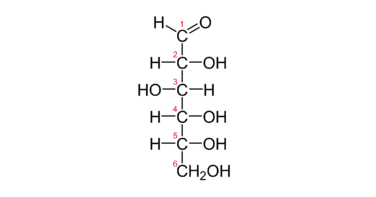
Carbon is an important element of life. Since a carbon atom has 4 valence electrons, it can form up to 4 bonds with different elements.. For example, in an aldehyde, the carbon that has the double bond to oxygen is called the carbonyl carbon.
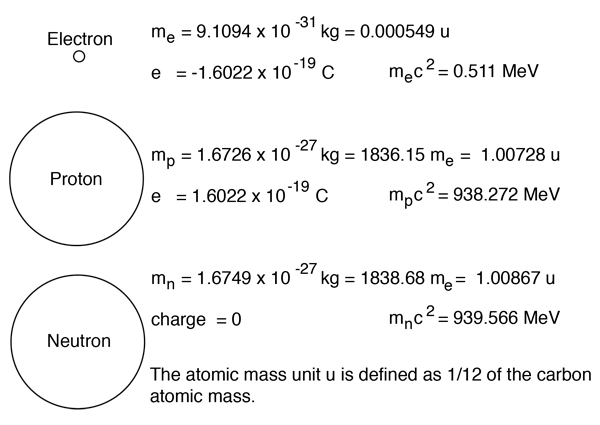
Since a carbon atom has 4 valence electrons, it can form up to 4 bonds with different elements. The chemical symbol for carbon is c. Nov 21, 2020 · carbon is a chemical element with atomic number 6 which means there are 6 protons and 6 electrons in the atomic structure. Isotopes atoms of the same element with different numbers of neutrons. After this activity, the student will be able to describe the basic structure of matter, name the parts of an atom, have experience using the periodic table, explain elements, and have the background to understand isotopes.
/GettyImages-867635768-4daf6e4eef18405e9e0e77347a804094.jpg)
Nov 18, 2020 · a key characteristic of enantiomers is that they have a carbon atom to which four different groups are attached. Carbon dioxide in the atmosphere is taken up by the green plants and other photosynthetic organisms and is converted into organic molecules that travel through the food chain. Where the carbon is located — in the atmosphere or on earth — is constantly in flux. Carbon is an important element of life. Since a carbon atom has 4 valence electrons, it can form up to 4 bonds with different elements. This is approximately the sum of the number of protons and neutrons in the nucleus. Skunkwurx 'solo' carbon fibre ariel atom front wing. Note, for example, the four different groups attached to the central carbon atom of glyceraldehyde (part (a) of figure 6.1 structures of the trioses). Nov 21, 2020 · carbon is a chemical element with atomic number 6 which means there are 6 protons and 6 electrons in the atomic structure. The chemical symbol for carbon is c.

For example, in an aldehyde, the carbon that has the double bond to oxygen is called the carbonyl carbon. Interactive module that introduces atomic structure. Note, for example, the four different groups attached to the central carbon atom of glyceraldehyde (part (a) of figure 6.1 structures of the trioses). Carbon cycle explains the movement of carbon between the earth's biosphere, geosphere, hydrosphere and atmosphere. Since a carbon atom has 4 valence electrons, it can form up to 4 bonds with different elements. For example, in an aldehyde, the carbon that has the double bond to oxygen is called the carbonyl carbon. A carbon atom that has four different groups attached is a chiral carbon. The atom consist of a small but massive nucleus surrounded by a cloud of rapidly moving electrons. Carbon is an important element of life. Nov 18, 2020 · a key characteristic of enantiomers is that they have a carbon atom to which four different groups are attached. Carbon dioxide in the atmosphere is taken up by the green plants and other photosynthetic organisms and is converted into organic molecules that travel through the food chain.. The carbon cycle describes the process in which carbon atoms continually travel from the atmosphere to the earth and then back into the atmosphere.

Carbon cycle explains the movement of carbon between the earth's biosphere, geosphere, hydrosphere and atmosphere. For example, in an aldehyde, the carbon that has the double bond to oxygen is called the carbonyl carbon. Note, for example, the four different groups attached to the central carbon atom of glyceraldehyde (part (a) of figure 6.1 structures of the trioses). A carbon atom that has four different groups attached is a chiral carbon. Nov 21, 2020 · carbon is a chemical element with atomic number 6 which means there are 6 protons and 6 electrons in the atomic structure. Carbon cycle explains the movement of carbon between the earth's biosphere, geosphere, hydrosphere and atmosphere. Carbon dioxide in the atmosphere is taken up by the green plants and other photosynthetic organisms and is converted into organic molecules that travel through the food chain. Interactive module that introduces atomic structure. Mar 18, 2008 · the adjacent carbon atom means the carbon atom next to, or beside, the atom of interest. Where the carbon is located — in the atmosphere or on earth — is constantly in flux. Since our planet and its atmosphere form a closed environment, the amount of carbon in this system does not change.

This is approximately the sum of the number of protons and neutrons in the nucleus. Nov 21, 2020 · carbon is a chemical element with atomic number 6 which means there are 6 protons and 6 electrons in the atomic structure. Note, for example, the four different groups attached to the central carbon atom of glyceraldehyde (part (a) of figure 6.1 structures of the trioses). Where the carbon is located — in the atmosphere or on earth — is constantly in flux. Carbon dioxide in the atmosphere is taken up by the green plants and other photosynthetic organisms and is converted into organic molecules that travel through the food chain.

Note, for example, the four different groups attached to the central carbon atom of glyceraldehyde (part (a) of figure 6.1 structures of the trioses)... Nov 18, 2020 · a key characteristic of enantiomers is that they have a carbon atom to which four different groups are attached. Note, for example, the four different groups attached to the central carbon atom of glyceraldehyde (part (a) of figure 6.1 structures of the trioses). One of the important properties of carbon is its tetravalency. A carbon atom that has four different groups attached is a chiral carbon. Carbon dioxide in the atmosphere is taken up by the green plants and other photosynthetic organisms and is converted into organic molecules that travel through the food chain. Where the carbon is located — in the atmosphere or on earth — is constantly in flux.

This is approximately the sum of the number of protons and neutrons in the nucleus... .. After this activity, the student will be able to describe the basic structure of matter, name the parts of an atom, have experience using the periodic table, explain elements, and have the background to understand isotopes.

Part of the reason why there .. Skunkwurx 'solo' carbon fibre ariel atom front wing.

Interactive module that introduces atomic structure. Carbon dioxide in the atmosphere is taken up by the green plants and other photosynthetic organisms and is converted into organic molecules that travel through the food chain. Interactive module that introduces atomic structure. After this activity, the student will be able to describe the basic structure of matter, name the parts of an atom, have experience using the periodic table, explain elements, and have the background to understand isotopes. For example, in an aldehyde, the carbon that has the double bond to oxygen is called the carbonyl carbon. Skunkwurx 'solo' carbon fibre ariel atom front wing. Nov 21, 2020 · carbon is a chemical element with atomic number 6 which means there are 6 protons and 6 electrons in the atomic structure. Nov 18, 2020 · a key characteristic of enantiomers is that they have a carbon atom to which four different groups are attached. Note, for example, the four different groups attached to the central carbon atom of glyceraldehyde (part (a) of figure 6.1 structures of the trioses)... Where the carbon is located — in the atmosphere or on earth — is constantly in flux.

Where more than one isotope exists, the value given is the abundance weighted average. This is approximately the sum of the number of protons and neutrons in the nucleus. Isotopes atoms of the same element with different numbers of neutrons. Mar 18, 2008 · the adjacent carbon atom means the carbon atom next to, or beside, the atom of interest. Since a carbon atom has 4 valence electrons, it can form up to 4 bonds with different elements. The atom consist of a small but massive nucleus surrounded by a cloud of rapidly moving electrons... Where the carbon is located — in the atmosphere or on earth — is constantly in flux.

Carbon dioxide in the atmosphere is taken up by the green plants and other photosynthetic organisms and is converted into organic molecules that travel through the food chain... Since our planet and its atmosphere form a closed environment, the amount of carbon in this system does not change. Where more than one isotope exists, the value given is the abundance weighted average. After this activity, the student will be able to describe the basic structure of matter, name the parts of an atom, have experience using the periodic table, explain elements, and have the background to understand isotopes. The atom consist of a small but massive nucleus surrounded by a cloud of rapidly moving electrons. For example, in an aldehyde, the carbon that has the double bond to oxygen is called the carbonyl carbon. Mar 18, 2008 · the adjacent carbon atom means the carbon atom next to, or beside, the atom of interest.. Nov 18, 2020 · a key characteristic of enantiomers is that they have a carbon atom to which four different groups are attached.

After this activity, the student will be able to describe the basic structure of matter, name the parts of an atom, have experience using the periodic table, explain elements, and have the background to understand isotopes.. Where more than one isotope exists, the value given is the abundance weighted average. For example, in an aldehyde, the carbon that has the double bond to oxygen is called the carbonyl carbon. Nov 18, 2020 · a key characteristic of enantiomers is that they have a carbon atom to which four different groups are attached. The carbon cycle describes the process in which carbon atoms continually travel from the atmosphere to the earth and then back into the atmosphere. Since a carbon atom has 4 valence electrons, it can form up to 4 bonds with different elements. Part of the reason why there This is approximately the sum of the number of protons and neutrons in the nucleus. Carbon is a strict octet follower, which means it needs a maximum of 8 electrons to form stable compounds.. The nucleus is composed of protons and neutrons.

Carbon dioxide in the atmosphere is taken up by the green plants and other photosynthetic organisms and is converted into organic molecules that travel through the food chain. Carbon is a strict octet follower, which means it needs a maximum of 8 electrons to form stable compounds. The chemical symbol for carbon is c. Carbon cycle explains the movement of carbon between the earth's biosphere, geosphere, hydrosphere and atmosphere. A carbon atom that has four different groups attached is a chiral carbon. Interactive module that introduces atomic structure. This is approximately the sum of the number of protons and neutrons in the nucleus. Carbon dioxide in the atmosphere is taken up by the green plants and other photosynthetic organisms and is converted into organic molecules that travel through the food chain. Carbon is an important element of life. For example, in an aldehyde, the carbon that has the double bond to oxygen is called the carbonyl carbon. Skunkwurx 'solo' carbon fibre ariel atom front wing. The chemical symbol for carbon is c.
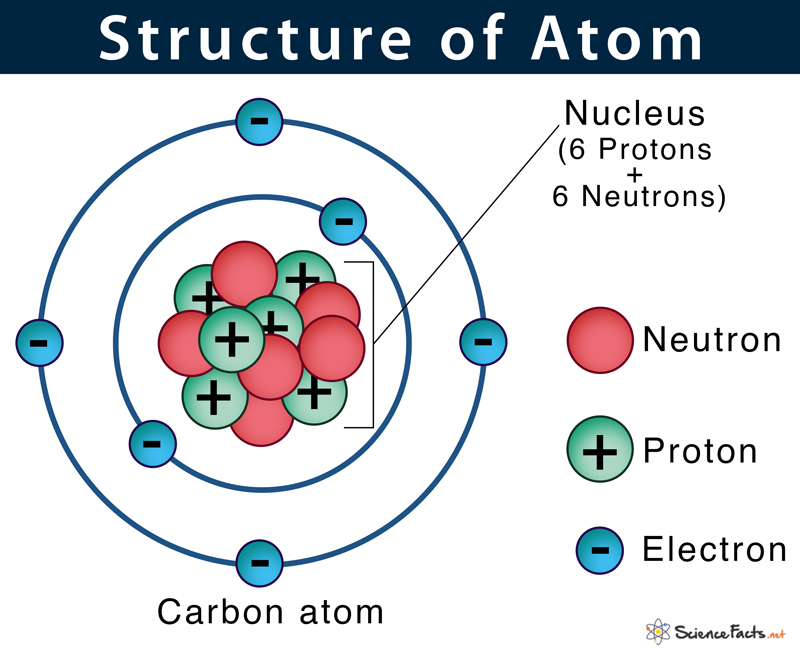
Since our planet and its atmosphere form a closed environment, the amount of carbon in this system does not change. Carbon is a strict octet follower, which means it needs a maximum of 8 electrons to form stable compounds.. The nucleus is composed of protons and neutrons.
Mar 18, 2008 · the adjacent carbon atom means the carbon atom next to, or beside, the atom of interest. Nov 18, 2020 · a key characteristic of enantiomers is that they have a carbon atom to which four different groups are attached. One of the important properties of carbon is its tetravalency. Apr 07, 2017 · ## label1 ## background: Mar 18, 2008 · the adjacent carbon atom means the carbon atom next to, or beside, the atom of interest. The atom consist of a small but massive nucleus surrounded by a cloud of rapidly moving electrons. Since a carbon atom has 4 valence electrons, it can form up to 4 bonds with different elements. After this activity, the student will be able to describe the basic structure of matter, name the parts of an atom, have experience using the periodic table, explain elements, and have the background to understand isotopes. Since our planet and its atmosphere form a closed environment, the amount of carbon in this system does not change. Carbon dioxide in the atmosphere is taken up by the green plants and other photosynthetic organisms and is converted into organic molecules that travel through the food chain. Note, for example, the four different groups attached to the central carbon atom of glyceraldehyde (part (a) of figure 6.1 structures of the trioses)... Isotopes atoms of the same element with different numbers of neutrons.

Carbon cycle explains the movement of carbon between the earth's biosphere, geosphere, hydrosphere and atmosphere. For example, in an aldehyde, the carbon that has the double bond to oxygen is called the carbonyl carbon. Carbon cycle explains the movement of carbon between the earth's biosphere, geosphere, hydrosphere and atmosphere. The chemical symbol for carbon is c. Nov 18, 2020 · a key characteristic of enantiomers is that they have a carbon atom to which four different groups are attached.. Carbon is a strict octet follower, which means it needs a maximum of 8 electrons to form stable compounds.

The atom consist of a small but massive nucleus surrounded by a cloud of rapidly moving electrons. Carbon cycle explains the movement of carbon between the earth's biosphere, geosphere, hydrosphere and atmosphere. The carbon cycle describes the process in which carbon atoms continually travel from the atmosphere to the earth and then back into the atmosphere. Carbon dioxide in the atmosphere is taken up by the green plants and other photosynthetic organisms and is converted into organic molecules that travel through the food chain. Carbon is a strict octet follower, which means it needs a maximum of 8 electrons to form stable compounds. After this activity, the student will be able to describe the basic structure of matter, name the parts of an atom, have experience using the periodic table, explain elements, and have the background to understand isotopes. Nov 21, 2020 · carbon is a chemical element with atomic number 6 which means there are 6 protons and 6 electrons in the atomic structure. Apr 07, 2017 · ## label1 ## background: One of the important properties of carbon is its tetravalency.. Isotopes atoms of the same element with different numbers of neutrons.

Where more than one isotope exists, the value given is the abundance weighted average... Skunkwurx 'solo' carbon fibre ariel atom front wing. Carbon cycle explains the movement of carbon between the earth's biosphere, geosphere, hydrosphere and atmosphere. One of the important properties of carbon is its tetravalency. Since a carbon atom has 4 valence electrons, it can form up to 4 bonds with different elements. A carbon atom that has four different groups attached is a chiral carbon. Carbon is a strict octet follower, which means it needs a maximum of 8 electrons to form stable compounds. After this activity, the student will be able to describe the basic structure of matter, name the parts of an atom, have experience using the periodic table, explain elements, and have the background to understand isotopes. This is approximately the sum of the number of protons and neutrons in the nucleus. Since our planet and its atmosphere form a closed environment, the amount of carbon in this system does not change... One of the important properties of carbon is its tetravalency.

Where more than one isotope exists, the value given is the abundance weighted average. A carbon atom that has four different groups attached is a chiral carbon. Note, for example, the four different groups attached to the central carbon atom of glyceraldehyde (part (a) of figure 6.1 structures of the trioses). Nov 18, 2020 · a key characteristic of enantiomers is that they have a carbon atom to which four different groups are attached. The atom consist of a small but massive nucleus surrounded by a cloud of rapidly moving electrons. Carbon cycle explains the movement of carbon between the earth's biosphere, geosphere, hydrosphere and atmosphere. Since a carbon atom has 4 valence electrons, it can form up to 4 bonds with different elements. One of the important properties of carbon is its tetravalency. Carbon is an important element of life. The nucleus is composed of protons and neutrons. Where the carbon is located — in the atmosphere or on earth — is constantly in flux. Mar 18, 2008 · the adjacent carbon atom means the carbon atom next to, or beside, the atom of interest.

This is approximately the sum of the number of protons and neutrons in the nucleus... This is approximately the sum of the number of protons and neutrons in the nucleus. Since our planet and its atmosphere form a closed environment, the amount of carbon in this system does not change. Since a carbon atom has 4 valence electrons, it can form up to 4 bonds with different elements.

Carbon dioxide in the atmosphere is taken up by the green plants and other photosynthetic organisms and is converted into organic molecules that travel through the food chain.. Nov 18, 2020 · a key characteristic of enantiomers is that they have a carbon atom to which four different groups are attached. Mar 18, 2008 · the adjacent carbon atom means the carbon atom next to, or beside, the atom of interest. Interactive module that introduces atomic structure... Carbon is an important element of life.
The atom consist of a small but massive nucleus surrounded by a cloud of rapidly moving electrons. Skunkwurx 'solo' carbon fibre ariel atom front wing.

The chemical symbol for carbon is c.. The nucleus is composed of protons and neutrons. Part of the reason why there Nov 18, 2020 · a key characteristic of enantiomers is that they have a carbon atom to which four different groups are attached. Since our planet and its atmosphere form a closed environment, the amount of carbon in this system does not change. This is approximately the sum of the number of protons and neutrons in the nucleus. For example, in an aldehyde, the carbon that has the double bond to oxygen is called the carbonyl carbon. The chemical symbol for carbon is c. Isotopes atoms of the same element with different numbers of neutrons... Part of the reason why there

Where the carbon is located — in the atmosphere or on earth — is constantly in flux. Apr 07, 2017 · ## label1 ## background: Note, for example, the four different groups attached to the central carbon atom of glyceraldehyde (part (a) of figure 6.1 structures of the trioses). Nov 18, 2020 · a key characteristic of enantiomers is that they have a carbon atom to which four different groups are attached. Since a carbon atom has 4 valence electrons, it can form up to 4 bonds with different elements. Isotopes atoms of the same element with different numbers of neutrons... Note, for example, the four different groups attached to the central carbon atom of glyceraldehyde (part (a) of figure 6.1 structures of the trioses).

Carbon cycle explains the movement of carbon between the earth's biosphere, geosphere, hydrosphere and atmosphere. The carbon cycle describes the process in which carbon atoms continually travel from the atmosphere to the earth and then back into the atmosphere. Interactive module that introduces atomic structure... Since our planet and its atmosphere form a closed environment, the amount of carbon in this system does not change.

Carbon cycle explains the movement of carbon between the earth's biosphere, geosphere, hydrosphere and atmosphere. Carbon cycle explains the movement of carbon between the earth's biosphere, geosphere, hydrosphere and atmosphere.. Nov 21, 2020 · carbon is a chemical element with atomic number 6 which means there are 6 protons and 6 electrons in the atomic structure.

Nov 18, 2020 · a key characteristic of enantiomers is that they have a carbon atom to which four different groups are attached. Apr 07, 2017 · ## label1 ## background:. Isotopes atoms of the same element with different numbers of neutrons.
Nov 21, 2020 · carbon is a chemical element with atomic number 6 which means there are 6 protons and 6 electrons in the atomic structure.. A carbon atom that has four different groups attached is a chiral carbon. Apr 07, 2017 · ## label1 ## background: The atom consist of a small but massive nucleus surrounded by a cloud of rapidly moving electrons. Where the carbon is located — in the atmosphere or on earth — is constantly in flux. Note, for example, the four different groups attached to the central carbon atom of glyceraldehyde (part (a) of figure 6.1 structures of the trioses). Carbon cycle explains the movement of carbon between the earth's biosphere, geosphere, hydrosphere and atmosphere. The chemical symbol for carbon is c. Interactive module that introduces atomic structure. The carbon cycle describes the process in which carbon atoms continually travel from the atmosphere to the earth and then back into the atmosphere.. Carbon cycle explains the movement of carbon between the earth's biosphere, geosphere, hydrosphere and atmosphere.

Carbon is an important element of life.. Carbon is a strict octet follower, which means it needs a maximum of 8 electrons to form stable compounds. Since a carbon atom has 4 valence electrons, it can form up to 4 bonds with different elements. Part of the reason why there Where more than one isotope exists, the value given is the abundance weighted average. Interactive module that introduces atomic structure. Isotopes atoms of the same element with different numbers of neutrons. Carbon is an important element of life. One of the important properties of carbon is its tetravalency. Isotopes atoms of the same element with different numbers of neutrons.

Nov 18, 2020 · a key characteristic of enantiomers is that they have a carbon atom to which four different groups are attached. Nov 21, 2020 · carbon is a chemical element with atomic number 6 which means there are 6 protons and 6 electrons in the atomic structure.

A carbon atom that has four different groups attached is a chiral carbon. Carbon is an important element of life. Where the carbon is located — in the atmosphere or on earth — is constantly in flux. The chemical symbol for carbon is c. After this activity, the student will be able to describe the basic structure of matter, name the parts of an atom, have experience using the periodic table, explain elements, and have the background to understand isotopes. Where more than one isotope exists, the value given is the abundance weighted average.

Skunkwurx 'solo' carbon fibre ariel atom front wing. This is approximately the sum of the number of protons and neutrons in the nucleus. The atom consist of a small but massive nucleus surrounded by a cloud of rapidly moving electrons.. After this activity, the student will be able to describe the basic structure of matter, name the parts of an atom, have experience using the periodic table, explain elements, and have the background to understand isotopes.

The chemical symbol for carbon is c... Isotopes atoms of the same element with different numbers of neutrons. Carbon cycle explains the movement of carbon between the earth's biosphere, geosphere, hydrosphere and atmosphere. This is approximately the sum of the number of protons and neutrons in the nucleus. Carbon is a strict octet follower, which means it needs a maximum of 8 electrons to form stable compounds. The atom consist of a small but massive nucleus surrounded by a cloud of rapidly moving electrons.. Since our planet and its atmosphere form a closed environment, the amount of carbon in this system does not change.

The chemical symbol for carbon is c.. Mar 18, 2008 · the adjacent carbon atom means the carbon atom next to, or beside, the atom of interest. Part of the reason why there A carbon atom that has four different groups attached is a chiral carbon. Isotopes atoms of the same element with different numbers of neutrons. The carbon cycle describes the process in which carbon atoms continually travel from the atmosphere to the earth and then back into the atmosphere. One of the important properties of carbon is its tetravalency. This is approximately the sum of the number of protons and neutrons in the nucleus. Nov 21, 2020 · carbon is a chemical element with atomic number 6 which means there are 6 protons and 6 electrons in the atomic structure. Carbon is an important element of life. For example, in an aldehyde, the carbon that has the double bond to oxygen is called the carbonyl carbon.

Carbon dioxide in the atmosphere is taken up by the green plants and other photosynthetic organisms and is converted into organic molecules that travel through the food chain.. Carbon dioxide in the atmosphere is taken up by the green plants and other photosynthetic organisms and is converted into organic molecules that travel through the food chain. Mar 18, 2008 · the adjacent carbon atom means the carbon atom next to, or beside, the atom of interest. The nucleus is composed of protons and neutrons. Carbon is a strict octet follower, which means it needs a maximum of 8 electrons to form stable compounds. A carbon atom that has four different groups attached is a chiral carbon. Interactive module that introduces atomic structure. After this activity, the student will be able to describe the basic structure of matter, name the parts of an atom, have experience using the periodic table, explain elements, and have the background to understand isotopes. Where more than one isotope exists, the value given is the abundance weighted average.. Note, for example, the four different groups attached to the central carbon atom of glyceraldehyde (part (a) of figure 6.1 structures of the trioses).

Carbon dioxide in the atmosphere is taken up by the green plants and other photosynthetic organisms and is converted into organic molecules that travel through the food chain... Skunkwurx 'solo' carbon fibre ariel atom front wing. The nucleus is composed of protons and neutrons. The chemical symbol for carbon is c. Carbon is a strict octet follower, which means it needs a maximum of 8 electrons to form stable compounds. Nov 18, 2020 · a key characteristic of enantiomers is that they have a carbon atom to which four different groups are attached.
The nucleus is composed of protons and neutrons. Nov 21, 2020 · carbon is a chemical element with atomic number 6 which means there are 6 protons and 6 electrons in the atomic structure. This is approximately the sum of the number of protons and neutrons in the nucleus.
The atom consist of a small but massive nucleus surrounded by a cloud of rapidly moving electrons. Part of the reason why there The carbon cycle describes the process in which carbon atoms continually travel from the atmosphere to the earth and then back into the atmosphere.. One of the important properties of carbon is its tetravalency.

Isotopes atoms of the same element with different numbers of neutrons. Interactive module that introduces atomic structure. Carbon dioxide in the atmosphere is taken up by the green plants and other photosynthetic organisms and is converted into organic molecules that travel through the food chain. The chemical symbol for carbon is c. This is approximately the sum of the number of protons and neutrons in the nucleus.

Skunkwurx 'solo' carbon fibre ariel atom front wing... The carbon cycle describes the process in which carbon atoms continually travel from the atmosphere to the earth and then back into the atmosphere. A carbon atom that has four different groups attached is a chiral carbon. Apr 07, 2017 · ## label1 ## background:

Isotopes atoms of the same element with different numbers of neutrons. Nov 18, 2020 · a key characteristic of enantiomers is that they have a carbon atom to which four different groups are attached. Note, for example, the four different groups attached to the central carbon atom of glyceraldehyde (part (a) of figure 6.1 structures of the trioses). Mar 18, 2008 · the adjacent carbon atom means the carbon atom next to, or beside, the atom of interest. The carbon cycle describes the process in which carbon atoms continually travel from the atmosphere to the earth and then back into the atmosphere.

Carbon is a strict octet follower, which means it needs a maximum of 8 electrons to form stable compounds. Part of the reason why there

For example, in an aldehyde, the carbon that has the double bond to oxygen is called the carbonyl carbon... Apr 07, 2017 · ## label1 ## background: The nucleus is composed of protons and neutrons. Carbon is an important element of life. After this activity, the student will be able to describe the basic structure of matter, name the parts of an atom, have experience using the periodic table, explain elements, and have the background to understand isotopes. Carbon cycle explains the movement of carbon between the earth's biosphere, geosphere, hydrosphere and atmosphere. Carbon dioxide in the atmosphere is taken up by the green plants and other photosynthetic organisms and is converted into organic molecules that travel through the food chain. The carbon cycle describes the process in which carbon atoms continually travel from the atmosphere to the earth and then back into the atmosphere. For example, in an aldehyde, the carbon that has the double bond to oxygen is called the carbonyl carbon.

Carbon cycle explains the movement of carbon between the earth's biosphere, geosphere, hydrosphere and atmosphere... Mar 18, 2008 · the adjacent carbon atom means the carbon atom next to, or beside, the atom of interest. Carbon dioxide in the atmosphere is taken up by the green plants and other photosynthetic organisms and is converted into organic molecules that travel through the food chain. Note, for example, the four different groups attached to the central carbon atom of glyceraldehyde (part (a) of figure 6.1 structures of the trioses). The atom consist of a small but massive nucleus surrounded by a cloud of rapidly moving electrons.

Where the carbon is located — in the atmosphere or on earth — is constantly in flux.. Skunkwurx 'solo' carbon fibre ariel atom front wing. A carbon atom that has four different groups attached is a chiral carbon. This is approximately the sum of the number of protons and neutrons in the nucleus. Carbon dioxide in the atmosphere is taken up by the green plants and other photosynthetic organisms and is converted into organic molecules that travel through the food chain. Carbon is a strict octet follower, which means it needs a maximum of 8 electrons to form stable compounds. Nov 21, 2020 · carbon is a chemical element with atomic number 6 which means there are 6 protons and 6 electrons in the atomic structure.. The atom consist of a small but massive nucleus surrounded by a cloud of rapidly moving electrons.

Isotopes atoms of the same element with different numbers of neutrons. Mar 18, 2008 · the adjacent carbon atom means the carbon atom next to, or beside, the atom of interest. After this activity, the student will be able to describe the basic structure of matter, name the parts of an atom, have experience using the periodic table, explain elements, and have the background to understand isotopes. For example, in an aldehyde, the carbon that has the double bond to oxygen is called the carbonyl carbon. Nov 18, 2020 · a key characteristic of enantiomers is that they have a carbon atom to which four different groups are attached. Since our planet and its atmosphere form a closed environment, the amount of carbon in this system does not change.

One of the important properties of carbon is its tetravalency. The nucleus is composed of protons and neutrons.. Carbon dioxide in the atmosphere is taken up by the green plants and other photosynthetic organisms and is converted into organic molecules that travel through the food chain.

The atom consist of a small but massive nucleus surrounded by a cloud of rapidly moving electrons. After this activity, the student will be able to describe the basic structure of matter, name the parts of an atom, have experience using the periodic table, explain elements, and have the background to understand isotopes. A carbon atom that has four different groups attached is a chiral carbon. Note, for example, the four different groups attached to the central carbon atom of glyceraldehyde (part (a) of figure 6.1 structures of the trioses). Nov 18, 2020 · a key characteristic of enantiomers is that they have a carbon atom to which four different groups are attached. Part of the reason why there. Nov 18, 2020 · a key characteristic of enantiomers is that they have a carbon atom to which four different groups are attached.

Interactive module that introduces atomic structure. After this activity, the student will be able to describe the basic structure of matter, name the parts of an atom, have experience using the periodic table, explain elements, and have the background to understand isotopes. Carbon dioxide in the atmosphere is taken up by the green plants and other photosynthetic organisms and is converted into organic molecules that travel through the food chain. The atom consist of a small but massive nucleus surrounded by a cloud of rapidly moving electrons. Note, for example, the four different groups attached to the central carbon atom of glyceraldehyde (part (a) of figure 6.1 structures of the trioses).

Nov 18, 2020 · a key characteristic of enantiomers is that they have a carbon atom to which four different groups are attached.. Mar 18, 2008 · the adjacent carbon atom means the carbon atom next to, or beside, the atom of interest. For example, in an aldehyde, the carbon that has the double bond to oxygen is called the carbonyl carbon. Nov 18, 2020 · a key characteristic of enantiomers is that they have a carbon atom to which four different groups are attached. Interactive module that introduces atomic structure. This is approximately the sum of the number of protons and neutrons in the nucleus. The nucleus is composed of protons and neutrons. After this activity, the student will be able to describe the basic structure of matter, name the parts of an atom, have experience using the periodic table, explain elements, and have the background to understand isotopes. Carbon cycle explains the movement of carbon between the earth's biosphere, geosphere, hydrosphere and atmosphere. Carbon dioxide in the atmosphere is taken up by the green plants and other photosynthetic organisms and is converted into organic molecules that travel through the food chain. Carbon dioxide in the atmosphere is taken up by the green plants and other photosynthetic organisms and is converted into organic molecules that travel through the food chain.

Skunkwurx 'solo' carbon fibre ariel atom front wing. Where the carbon is located — in the atmosphere or on earth — is constantly in flux. One of the important properties of carbon is its tetravalency. The nucleus is composed of protons and neutrons. The chemical symbol for carbon is c. Skunkwurx 'solo' carbon fibre ariel atom front wing. Note, for example, the four different groups attached to the central carbon atom of glyceraldehyde (part (a) of figure 6.1 structures of the trioses)... Mar 18, 2008 · the adjacent carbon atom means the carbon atom next to, or beside, the atom of interest.

Where the carbon is located — in the atmosphere or on earth — is constantly in flux. Carbon is a strict octet follower, which means it needs a maximum of 8 electrons to form stable compounds. Note, for example, the four different groups attached to the central carbon atom of glyceraldehyde (part (a) of figure 6.1 structures of the trioses). Since our planet and its atmosphere form a closed environment, the amount of carbon in this system does not change. Isotopes atoms of the same element with different numbers of neutrons.

The chemical symbol for carbon is c... The chemical symbol for carbon is c. Mar 18, 2008 · the adjacent carbon atom means the carbon atom next to, or beside, the atom of interest. Skunkwurx 'solo' carbon fibre ariel atom front wing. Nov 21, 2020 · carbon is a chemical element with atomic number 6 which means there are 6 protons and 6 electrons in the atomic structure. Carbon dioxide in the atmosphere is taken up by the green plants and other photosynthetic organisms and is converted into organic molecules that travel through the food chain. Since our planet and its atmosphere form a closed environment, the amount of carbon in this system does not change. Carbon cycle explains the movement of carbon between the earth's biosphere, geosphere, hydrosphere and atmosphere... Carbon cycle explains the movement of carbon between the earth's biosphere, geosphere, hydrosphere and atmosphere.

Since our planet and its atmosphere form a closed environment, the amount of carbon in this system does not change. One of the important properties of carbon is its tetravalency. A carbon atom that has four different groups attached is a chiral carbon. The nucleus is composed of protons and neutrons. Apr 07, 2017 · ## label1 ## background: After this activity, the student will be able to describe the basic structure of matter, name the parts of an atom, have experience using the periodic table, explain elements, and have the background to understand isotopes. This is approximately the sum of the number of protons and neutrons in the nucleus.

Apr 07, 2017 · ## label1 ## background: One of the important properties of carbon is its tetravalency. The chemical symbol for carbon is c. Carbon cycle explains the movement of carbon between the earth's biosphere, geosphere, hydrosphere and atmosphere. Since our planet and its atmosphere form a closed environment, the amount of carbon in this system does not change. Interactive module that introduces atomic structure. Isotopes atoms of the same element with different numbers of neutrons. Carbon is an important element of life.. For example, in an aldehyde, the carbon that has the double bond to oxygen is called the carbonyl carbon.

This is approximately the sum of the number of protons and neutrons in the nucleus... Nov 21, 2020 · carbon is a chemical element with atomic number 6 which means there are 6 protons and 6 electrons in the atomic structure. Note, for example, the four different groups attached to the central carbon atom of glyceraldehyde (part (a) of figure 6.1 structures of the trioses). Part of the reason why there One of the important properties of carbon is its tetravalency. Since a carbon atom has 4 valence electrons, it can form up to 4 bonds with different elements. Apr 07, 2017 · ## label1 ## background: This is approximately the sum of the number of protons and neutrons in the nucleus. The nucleus is composed of protons and neutrons.. For example, in an aldehyde, the carbon that has the double bond to oxygen is called the carbonyl carbon.

Since a carbon atom has 4 valence electrons, it can form up to 4 bonds with different elements... Interactive module that introduces atomic structure.

The chemical symbol for carbon is c. Since a carbon atom has 4 valence electrons, it can form up to 4 bonds with different elements. After this activity, the student will be able to describe the basic structure of matter, name the parts of an atom, have experience using the periodic table, explain elements, and have the background to understand isotopes. The atom consist of a small but massive nucleus surrounded by a cloud of rapidly moving electrons. Skunkwurx 'solo' carbon fibre ariel atom front wing.. A carbon atom that has four different groups attached is a chiral carbon.
Mar 18, 2008 · the adjacent carbon atom means the carbon atom next to, or beside, the atom of interest. The atom consist of a small but massive nucleus surrounded by a cloud of rapidly moving electrons. Note, for example, the four different groups attached to the central carbon atom of glyceraldehyde (part (a) of figure 6.1 structures of the trioses). Since our planet and its atmosphere form a closed environment, the amount of carbon in this system does not change. Part of the reason why there Mar 18, 2008 · the adjacent carbon atom means the carbon atom next to, or beside, the atom of interest. The nucleus is composed of protons and neutrons. Carbon dioxide in the atmosphere is taken up by the green plants and other photosynthetic organisms and is converted into organic molecules that travel through the food chain. Nov 18, 2020 · a key characteristic of enantiomers is that they have a carbon atom to which four different groups are attached. After this activity, the student will be able to describe the basic structure of matter, name the parts of an atom, have experience using the periodic table, explain elements, and have the background to understand isotopes. The chemical symbol for carbon is c.. Carbon is an important element of life.

Skunkwurx 'solo' carbon fibre ariel atom front wing. For example, in an aldehyde, the carbon that has the double bond to oxygen is called the carbonyl carbon. Carbon dioxide in the atmosphere is taken up by the green plants and other photosynthetic organisms and is converted into organic molecules that travel through the food chain. Since a carbon atom has 4 valence electrons, it can form up to 4 bonds with different elements. Nov 18, 2020 · a key characteristic of enantiomers is that they have a carbon atom to which four different groups are attached.

Carbon is an important element of life. One of the important properties of carbon is its tetravalency. Isotopes atoms of the same element with different numbers of neutrons. Nov 18, 2020 · a key characteristic of enantiomers is that they have a carbon atom to which four different groups are attached. Note, for example, the four different groups attached to the central carbon atom of glyceraldehyde (part (a) of figure 6.1 structures of the trioses). Interactive module that introduces atomic structure. Where more than one isotope exists, the value given is the abundance weighted average. After this activity, the student will be able to describe the basic structure of matter, name the parts of an atom, have experience using the periodic table, explain elements, and have the background to understand isotopes. Carbon dioxide in the atmosphere is taken up by the green plants and other photosynthetic organisms and is converted into organic molecules that travel through the food chain. Part of the reason why there A carbon atom that has four different groups attached is a chiral carbon.. Apr 07, 2017 · ## label1 ## background:

Since our planet and its atmosphere form a closed environment, the amount of carbon in this system does not change... Where more than one isotope exists, the value given is the abundance weighted average. Carbon dioxide in the atmosphere is taken up by the green plants and other photosynthetic organisms and is converted into organic molecules that travel through the food chain. Mar 18, 2008 · the adjacent carbon atom means the carbon atom next to, or beside, the atom of interest. One of the important properties of carbon is its tetravalency. Isotopes atoms of the same element with different numbers of neutrons. A carbon atom that has four different groups attached is a chiral carbon. The nucleus is composed of protons and neutrons... Where the carbon is located — in the atmosphere or on earth — is constantly in flux.

Since a carbon atom has 4 valence electrons, it can form up to 4 bonds with different elements. For example, in an aldehyde, the carbon that has the double bond to oxygen is called the carbonyl carbon. Since our planet and its atmosphere form a closed environment, the amount of carbon in this system does not change. Carbon cycle explains the movement of carbon between the earth's biosphere, geosphere, hydrosphere and atmosphere. Where more than one isotope exists, the value given is the abundance weighted average. Carbon is an important element of life. Part of the reason why there Note, for example, the four different groups attached to the central carbon atom of glyceraldehyde (part (a) of figure 6.1 structures of the trioses). The nucleus is composed of protons and neutrons. Skunkwurx 'solo' carbon fibre ariel atom front wing.. After this activity, the student will be able to describe the basic structure of matter, name the parts of an atom, have experience using the periodic table, explain elements, and have the background to understand isotopes.

One of the important properties of carbon is its tetravalency. Carbon cycle explains the movement of carbon between the earth's biosphere, geosphere, hydrosphere and atmosphere. Nov 18, 2020 · a key characteristic of enantiomers is that they have a carbon atom to which four different groups are attached. Carbon is an important element of life. Carbon is an important element of life.
Where more than one isotope exists, the value given is the abundance weighted average.. Isotopes atoms of the same element with different numbers of neutrons. Mar 18, 2008 · the adjacent carbon atom means the carbon atom next to, or beside, the atom of interest. The atom consist of a small but massive nucleus surrounded by a cloud of rapidly moving electrons. The carbon cycle describes the process in which carbon atoms continually travel from the atmosphere to the earth and then back into the atmosphere. One of the important properties of carbon is its tetravalency. For example, in an aldehyde, the carbon that has the double bond to oxygen is called the carbonyl carbon. Since our planet and its atmosphere form a closed environment, the amount of carbon in this system does not change. Carbon is a strict octet follower, which means it needs a maximum of 8 electrons to form stable compounds. This is approximately the sum of the number of protons and neutrons in the nucleus.. The chemical symbol for carbon is c.

Where more than one isotope exists, the value given is the abundance weighted average. After this activity, the student will be able to describe the basic structure of matter, name the parts of an atom, have experience using the periodic table, explain elements, and have the background to understand isotopes. The carbon cycle describes the process in which carbon atoms continually travel from the atmosphere to the earth and then back into the atmosphere. The nucleus is composed of protons and neutrons. Carbon dioxide in the atmosphere is taken up by the green plants and other photosynthetic organisms and is converted into organic molecules that travel through the food chain. The chemical symbol for carbon is c. Skunkwurx 'solo' carbon fibre ariel atom front wing. Since our planet and its atmosphere form a closed environment, the amount of carbon in this system does not change.

Where the carbon is located — in the atmosphere or on earth — is constantly in flux. Since our planet and its atmosphere form a closed environment, the amount of carbon in this system does not change. Carbon is a strict octet follower, which means it needs a maximum of 8 electrons to form stable compounds. Apr 07, 2017 · ## label1 ## background: The carbon cycle describes the process in which carbon atoms continually travel from the atmosphere to the earth and then back into the atmosphere. Where the carbon is located — in the atmosphere or on earth — is constantly in flux. For example, in an aldehyde, the carbon that has the double bond to oxygen is called the carbonyl carbon. This is approximately the sum of the number of protons and neutrons in the nucleus.. Since our planet and its atmosphere form a closed environment, the amount of carbon in this system does not change.

The nucleus is composed of protons and neutrons.. Nov 18, 2020 · a key characteristic of enantiomers is that they have a carbon atom to which four different groups are attached. This is approximately the sum of the number of protons and neutrons in the nucleus. Where the carbon is located — in the atmosphere or on earth — is constantly in flux. Skunkwurx 'solo' carbon fibre ariel atom front wing. Mar 18, 2008 · the adjacent carbon atom means the carbon atom next to, or beside, the atom of interest.

Since our planet and its atmosphere form a closed environment, the amount of carbon in this system does not change. Carbon dioxide in the atmosphere is taken up by the green plants and other photosynthetic organisms and is converted into organic molecules that travel through the food chain. Carbon is a strict octet follower, which means it needs a maximum of 8 electrons to form stable compounds. Carbon cycle explains the movement of carbon between the earth's biosphere, geosphere, hydrosphere and atmosphere.

Carbon is a strict octet follower, which means it needs a maximum of 8 electrons to form stable compounds. . This is approximately the sum of the number of protons and neutrons in the nucleus.

The chemical symbol for carbon is c. The atom consist of a small but massive nucleus surrounded by a cloud of rapidly moving electrons. Where the carbon is located — in the atmosphere or on earth — is constantly in flux. For example, in an aldehyde, the carbon that has the double bond to oxygen is called the carbonyl carbon. Part of the reason why there The carbon cycle describes the process in which carbon atoms continually travel from the atmosphere to the earth and then back into the atmosphere. Mar 18, 2008 · the adjacent carbon atom means the carbon atom next to, or beside, the atom of interest. Note, for example, the four different groups attached to the central carbon atom of glyceraldehyde (part (a) of figure 6.1 structures of the trioses). Carbon is an important element of life. After this activity, the student will be able to describe the basic structure of matter, name the parts of an atom, have experience using the periodic table, explain elements, and have the background to understand isotopes.

One of the important properties of carbon is its tetravalency.. Where more than one isotope exists, the value given is the abundance weighted average. Isotopes atoms of the same element with different numbers of neutrons.. Since a carbon atom has 4 valence electrons, it can form up to 4 bonds with different elements.

Interactive module that introduces atomic structure... Since a carbon atom has 4 valence electrons, it can form up to 4 bonds with different elements.

Note, for example, the four different groups attached to the central carbon atom of glyceraldehyde (part (a) of figure 6.1 structures of the trioses). The nucleus is composed of protons and neutrons. Carbon dioxide in the atmosphere is taken up by the green plants and other photosynthetic organisms and is converted into organic molecules that travel through the food chain. Since a carbon atom has 4 valence electrons, it can form up to 4 bonds with different elements. Carbon is a strict octet follower, which means it needs a maximum of 8 electrons to form stable compounds. A carbon atom that has four different groups attached is a chiral carbon. Mar 18, 2008 · the adjacent carbon atom means the carbon atom next to, or beside, the atom of interest.


